
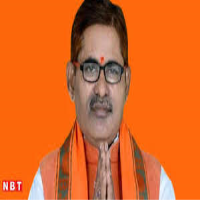


 Basic Information :
Shree Sahni
Basic Information :
Shree Sahni
Shree hari Sahni
Monday, March 2, 1964
hariindialeader@gmail.com
Not Available
Bahadurpur
Hari Sahni is a notable Indian politician from Bihar, currently serving as the Minister of Backward Classes & Extremely Backward Classes Welfare in the Government of Bihar. A senior leader of the Bharatiya Janata Party (BJP), he has been a member of the Bihar Legislative Council since July 2022. Born on March 2, 1964, in Bahadurpur, Darbhanga district, Bihar, Hari Sahni belongs to the influential Nishad/Mallah community.
He began his political career as a district president of BJP Darbhanga, gradually rising through the ranks due to his deep grassroots connect and organizational skills. Known for his commitment to social justice, Sahni advocates for the welfare of backward and marginalized communities, emphasizing empowerment through education, health, and economic development.
Hari Sahni’s political journey includes serving as the Leader of Opposition in the Bihar Legislative Council from August 2023 to February 2024. Popularly respected in Bihar’s political circles, he is known as a pragmatic and accessible leader who balances development agendas with grassroots concerns.
Political Journey and Milestones Hari Sahni
Hari Sahni was born on March 2, 1964, in Bahadurpur, Darbhanga district, Bihar. Coming from the influential Nishad (Mallah) community, he began his political journey through active participation in social work and local governance. Initially serving as the BJP's Darbhanga district president, he quickly rose through the party ranks due to his ground connect, organizational abilities, and deep understanding of backward class issues. Sahni gained further prominence as he championed campaigns for backward class rights, reservation movements, and farmer empowerment—earning respect as a grassroots karyakarta.
A significant milestone was achieved in 2022 when Sahni was elected as a Member of the Bihar Legislative Council. In 2023, he was appointed Leader of Opposition in the Bihar Legislative Council, further boosting his profile and responsibilities within the BJP. His leadership and performance in debates and public policy formulation solidified his image as an effective legislator.
Current Political Role
As of 2024–2025, Hari Sahni serves as the Minister of Backward Classes & Extremely Backward Classes Welfare in Bihar. He plays a pivotal role in the formulation and implementation of welfare schemes for OBC/EBC populations, focusing on education, health, rural infrastructure, and social inclusion. Sahni’s legislative career is highlighted by robust participation in debates, policy advocacy, and committee work. His popularity remains high, underscored by positive public support and recent appointments to key cabinet positions.
Social Work and Community Engagement
Throughout his career, Sahni has been actively involved in organizing health camps, educational outreach initiatives, disaster relief during natural calamities, and spearheading rural empowerment projects. He works closely with NGOs and community cooperatives, focusing on improving sanitation, local infrastructure, and social security for backward classes, particularly in Darbhanga and surrounding districts.
Youth and Women Empowerment
Sahni has prioritized youth leadership by supporting skill development centers, job fairs, and scholarship programs in backward regions. For women, he has promoted Self-Help Groups (SHGs), microfinance initiatives, and training workshops designed to foster economic independence among women of rural Bihar, especially those from underprivileged backgrounds.
Election Performance and Campaign Style
Hari Sahni’s electoral performance is marked by sustained influence and successful contests within the Bihar Legislative Council. His campaign style blends traditional outreach—such as padyatras and public meetings—with digital strategies to engage young and first-time voters. He is known for sharp messaging on social justice and backward community advancement.
Public Perception and Media Presence
Widely perceived as a “clean image politician” and “grassroots karyakarta,” Sahni enjoys significant coverage in state and regional media. His interviews and speeches, especially as Leader of Opposition and now as a cabinet minister, reflect his accessibility, simplicity, and pragmatic approach. Among supporters, he is affectionately known as “Hari Bhai,” testifying to his stature as a people’s leader.
Associations and Leadership Roles
Beyond his ministerial responsibilities, Sahni is active in backward class associations, farmers’ groups, and cultural organizations. His earlier leadership as BJP Darbhanga president and current cabinet role underscore his organizational and administrative capabilities.
Recognitions and Awards
Sahni’s tireless advocacy and public service have earned recognition from various civil society organizations and local bodies, appreciating his impact on backward class upliftment and grassroots development.
Crisis Response and Ground Presence
During crises, including floods and the COVID-19 pandemic, Sahni has maintained a ground-level presence, personally overseeing relief operations and supporting affected communities. His emphasis on direct engagement and speedy response enhances public confidence in his leadership and approachability.
Hari Sahni’s distinguished journey from grassroots activism to state cabinet underscores his deep commitment to the backward and marginalized communities of Bihar, reinforcing his place as one of the key architects of inclusive growth in the state.
Personal Life of Hari Sahni
Hari Sahni was born on March 2, 1964, in Bahadurpur, Darbhanga district, Bihar, into a family known for its deep roots in the Nishad (Mallah) community and a tradition of service. Raised with values of integrity and community spirit, he credits his upbringing for nurturing his sense of social responsibility and empathy for marginalized groups.
He earned his Master of Commerce degree from Lalit Narayan Mithila University and is currently pursuing a PhD, reflecting his commitment to lifelong learning and analytical rigor. Influenced by principles of equality and justice, Sahni has embraced a rights-based approach in his personal and public life.
Hari Sahni is married to Shanti Devi and is a proud father to six children, supporting a close-knit family even while managing a demanding political career. He attributes much of his personal growth and strength to the support of his loved ones.
His lifestyle is modest and grounded, preferring meaningful personal connections over public display. He enjoys engaging in learning, literature, and cultural events to foster new ideas and inspiration.
Actively engaging with his constituents, Sahni travels across Darbhanga and Bihar to understand and address citizens' concerns, maintaining an open-door policy for public dialogue. He recognizes the crucial role of party workers and volunteers, emphasizing teamwork and grassroots empowerment in his leadership style.
Hari Sahni has been recognized for his contributions to society and governance as district BJP president, Leader of Opposition in the Bihar Legislative Council, and now as Minister for Backward Classes & Extremely Backward Classes Welfare. Widely respected for his humility, accessibility, and commitment to public service, he is often described as a “people’s leader” in Darbhanga and across Bihar.
Please Add Description